North Carolina
Sign Permit Guide
Most business signs in North Carolina need a permit before they go up. There is no single statewide sign permit. Signs are approved city by city (and county by county) through the local zoning ordinance, layered on top of the North Carolina Building Code and, for anything that lights up, the electrical code. That means the rules for your sign depend on exactly where it sits. This guide walks through when you need a permit, the three approvals hiding behind that one word, how the process actually works, what it costs and how long it takes, and the specific rules in the areas we serve most: Hickory, Asheville, and Winston-Salem.
Do you need a sign permit in North Carolina?
In almost every case, yes, for any exterior sign visible to the public. North Carolina cities and counties regulate signage through their own ordinances, and the standard rule across them is simple: unless a sign is specifically listed as exempt, it needs a permit before it is built, installed, moved, enlarged, or structurally altered. The safest assumption is that your sign needs a permit until the local ordinance tells you otherwise.
Signs that usually require a permit
- Wall and building signs, including channel letters and cabinet signs
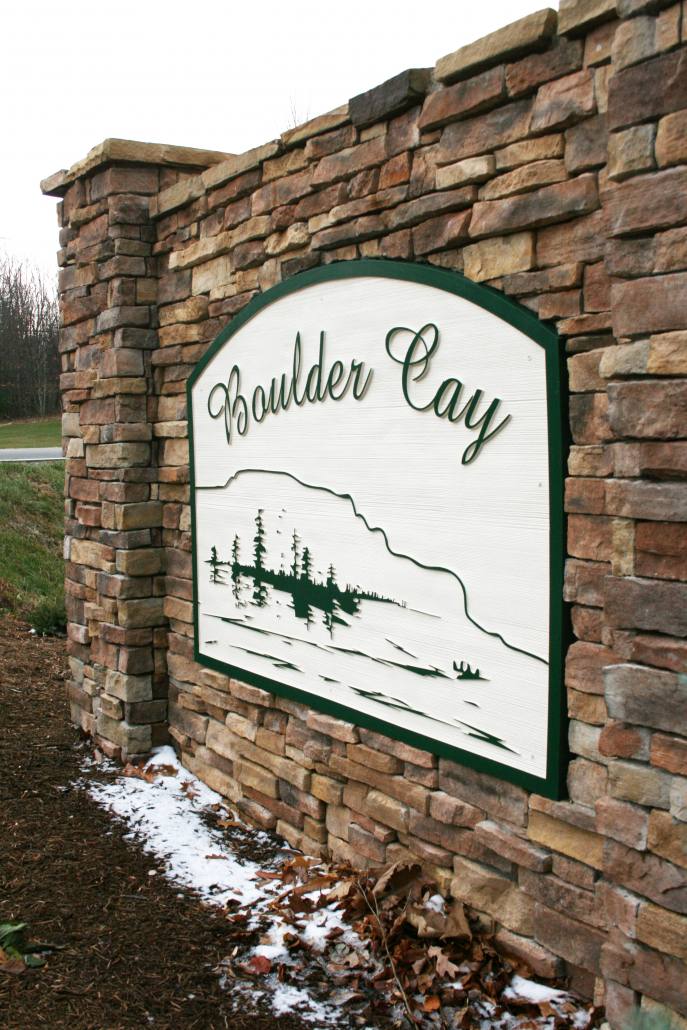
- Freestanding signs such as monument, ground, and pylon or pole signs
- Projecting and blade signs
- Awning and canopy signs that carry a business name or logo
- Temporary signs and banners, which usually need their own short-term permit
- Panel change-outs and refaces on an existing sign
- Any illuminated sign, which adds electrical requirements on top of the zoning approval

Signs that are often exempt
Exemptions vary by city, so confirm yours locally, but small, low-impact signs are commonly exempt. In Hickory, for example, signs no larger than two square feet that only show the property number and occupant names are exempt, as are government-erected historic markers, traffic and legal notices, and certain architectural features without lettering. Similar categories exist in other NC jurisdictions. Being exempt from a permit does not mean the sign is exempt from the ordinance’s placement and size rules, so it still has to comply.
The three permits behind one sign: zoning, building, and electrical
When people say “sign permit,” they often mean up to three separate approvals. Understanding the difference is the single biggest thing that keeps a project on schedule.
Zoning or sign permit
This is the core approval. It confirms your sign meets the local ordinance for its zoning district: the allowed sign type, maximum area and height, setbacks from the property line and road, placement, and how many signs the site is allowed. This is almost always the first approval you need, and everything else follows it.
Building and structural permit
Larger freestanding signs and anything that carries real structural or wind load are also reviewed against the North Carolina Building Code, where Appendix H governs signs. Tall or heavy signs, especially pylons, typically need stamped engineering drawings that prove the structure and its foundation will hold up. In many jurisdictions the county building department handles this side even when the city handles zoning.
Electrical permit
Any illuminated sign, whether it is internally lit or lit from outside, brings in electrical work that must be done by a licensed electrician and meet the National Electric Code. Some jurisdictions require the electrical contractor to be named on the application before they will issue the permit. Skipping this step is a common reason a lit sign fails inspection.
Extra reviews that catch people off guard
Historic districts and downtown design review
If your property sits in a local historic district or a downtown design-review overlay, you need design approval before the zoning permit. Asheville is the clearest example: its Downtown Design Review Overlay and its local historic districts require review before a sign is approved, which adds both time and design constraints. Winston-Salem applies a similar extra step in its Historic (H) and Historic Overlay (HO) districts. Plan for the added weeks and the possibility that your design will need to change to fit the district’s guidelines.
Multi-tenant properties and common signage plans
Shopping centers, office parks, and any site with more than one business or building often must have an approved common signage plan (sometimes called a master or uniform signage plan) on file before the city will issue an individual tenant’s sign permit. If you are a tenant, ask your landlord for the site’s signage plan early, because your sign has to conform to it.
Signs near state roads and the right-of-way
No sign may sit in the public right-of-way, and signs along state-maintained roads can trigger a separate permit from the North Carolina Department of Transportation, particularly for off-premise and outdoor advertising signs. The right-of-way often extends further onto a property than owners expect, so placement matters.
How the sign permit process works, step by step
- Confirm your zoning and jurisdiction. Use the local GIS or map viewer to check your zoning district and whether you are inside city limits or in the county’s extraterritorial jurisdiction (ETJ), where county rules can apply.
- Check the sign ordinance for that district to see what type, size, height, and number of signs are allowed.
- Prepare the application package: scaled sign drawings with dimensions, a site plan showing placement, mounting and structural details, electrical and contractor information for lit signs, and landlord approval if you lease.
- Submit through the city’s portal (for example Hickory’s ePermit system or Winston-Salem’s GeoCivix).
- Go through plan review by the zoning and inspections staff, and respond to any correction requests.
- Pay the permit fee once the application is approved.
- Fabricate and install the sign, and not before, because approval can change the design.
- Pass the final inspection.
Every city says the same thing in its own words: do not build the sign until the permit is issued. A design that gets rejected after fabrication is an expensive mistake, and it is entirely avoidable.
How long does a sign permit take, and what does it cost?
On cost, permit fees are set in each city’s fee schedule and scale with sign size and type, so there is no single statewide number. Beyond the permit fee itself, budget for stamped engineering on larger freestanding signs and for the electrical work on illuminated signs, since those are the costs owners most often forget. For a fuller picture of what the sign itself costs, see our guide to business sign pricing.
Sign permits by city
Rules differ meaningfully across the areas we serve. Here is what to know for each, with a link to the official city source. Always confirm current specifics before you apply, since ordinances are revised.
In Hickory, any business sign visible from the public right-of-way requires a zoning permit, and the sign must comply with the sign rules in Chapter 10 of the Land Development Code. Applications go through the city’s ePermit system, and installation must begin within one year of issuance. Illuminated signs require a licensed electrician, who is named on the application. Signs must also meet the North Carolina Building Code, including Appendix H, and freestanding signs in Hickory’s extraterritorial jurisdiction must sit at least five feet from the property line or right-of-way. Note that Catawba County Building Services enforces the building code within Hickory, so structural questions go to the county. You can review the city’s requirements on the City of Hickory sign permit page. If you are planning a sign in the area, our Hickory sign services page covers what we build locally.
Asheville regulates signs through Chapter 7 of its Unified Development Ordinance, and a zoning permit is required, with fees set in the city’s Fees and Charges Manual. The wrinkle in Asheville is design review. Properties in the Downtown Design Review Overlay and in local historic districts such as Biltmore Village and Montford need design approval before the sign permit, handled by the city’s design review committee or the Historic Resources Commission. That step adds time and can shape your design, so start early. See the City of Asheville zoning and development resources for current requirements, and our Asheville sign services page for local work.
Winston-Salem and Forsyth County share a Unified Development Ordinance, and the standing rule is that unless a sign is specifically stated otherwise, it requires a permit. A zoning permit is secured before you construct, erect, enlarge, relocate, or structurally alter a sign, and applications are submitted through the GeoCivix portal with one application per sign type per property. Signs must also comply with the North Carolina Building Code and the National Electric Code. Historic (H) and Historic Overlay (HO) districts require an additional approval before the zoning permit, and the city maintains billboard view corridors where certain signs are not allowed. The City of Winston-Salem signs page has the submission details, and our Winston-Salem sign services page shows what we do in the area.
Common reasons sign permits get denied or delayed
- The sign exceeds the size or height allowed in that zoning district
- Placement puts the sign in a setback, the right-of-way, or a sight-visibility triangle
- A freestanding or large sign is missing the required stamped engineering
- A lit sign is missing electrical details or a named licensed electrician
- Historic-district or downtown design review was not obtained first
- Drawings or the site plan are incomplete or not to scale
- A multi-tenant site has no approved common signage plan on file
Let Sign Systems handle the permit
Permitting is where a lot of sign projects stall, and it is the part we handle every week. We design your sign to the local code from the start, prepare the drawings and site plan, coordinate the stamped engineering and electrical, and pull the zoning, building, and electrical permits so you are not chasing three departments yourself. We work across Hickory, Asheville, Winston-Salem, and the surrounding areas, and we know the local review steps that trip up out-of-town sign companies.
Planning a new sign? Request a free quote and we will design it to code and take care of the permit for you.
Frequently Asked Questions
Do I need a permit for a business sign in North Carolina?
In almost all cases, yes. Exterior business signs that are visible to the public need a permit before installation, approved through your city or county’s zoning ordinance. A few small sign types are exempt, and exemptions vary by city, so confirm yours locally.
How much does a sign permit cost in North Carolina?
There is no single statewide fee. Each city sets sign permit fees in its own fee schedule, and the amount scales with the sign’s size and type. Budget separately for engineering on larger freestanding signs and for electrical work on illuminated signs.
Do illuminated signs need a separate electrical permit?
Yes. Any internally or externally illuminated sign requires electrical work by a licensed electrician and must meet the National Electric Code. Some jurisdictions require the electrician to be named on the application before the permit is issued.
How long is a sign permit valid?
Sign permits expire if work does not start in time, generally within six months to one year depending on the city. In Hickory, installation must begin within one year of the permit date.
Can I install a sign without a permit?
It is not advisable. Signs installed without a required permit can be fined and ordered removed at your expense, and you may have to redo the work to bring it into compliance. Pulling the permit first is far cheaper than fixing an illegal sign.
Do temporary signs and banners need a permit?
Usually, yes. Most NC cities require a short-term permit for temporary signs and banners and limit how long and how often you can display them. Check your city’s temporary-sign rules before you put one up.
Get a Free Quote for Your Sign Project
Whether you’re planning a new development, opening a new location, or updating your signage, our team is ready to help.
Contact Sign Systems today to schedule a consultation and get started on a custom signage solution tailored to your business. Serving Hickory, Asheville, Winston-Salem, and the surrounding areas.
0 + Years
Delivering signage for businesses across the Southeast
0 Generations
Of hands-on experience and long-term client relationships