Monument vs Pylon Signs:
Which One Does Your Property Need?
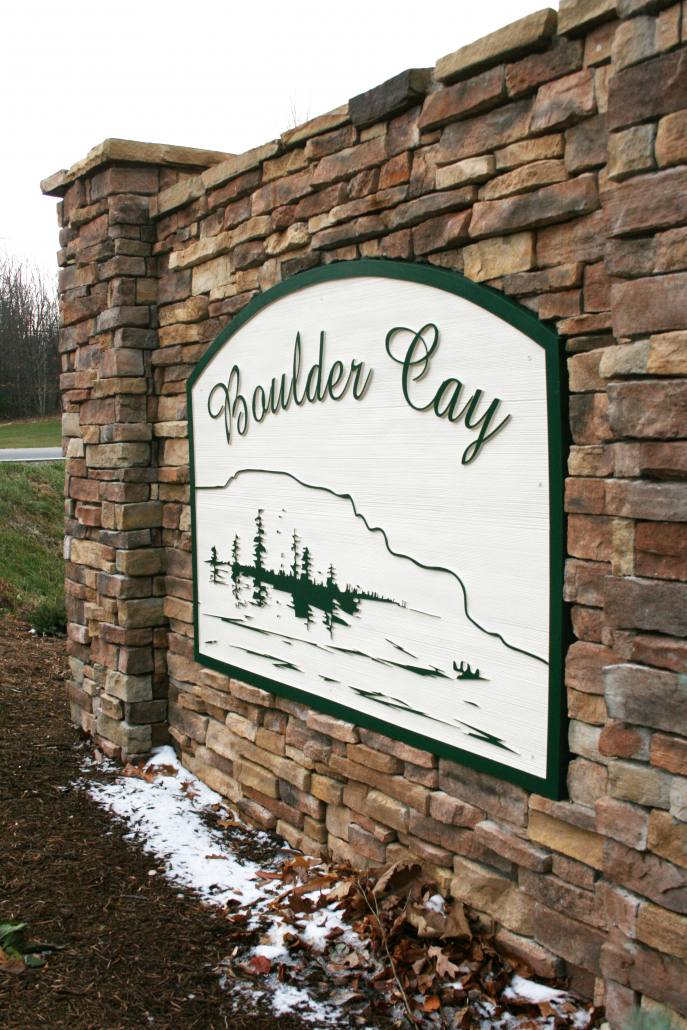
Monument and pylon signs are both freestanding outdoor signs, and at a glance they get lumped together. But they answer two different questions. A pylon sign helps people find you before they arrive. A monument sign tells people they have arrived and sets the tone for your property. Get that distinction right and the rest of the decision, cost, permitting, design, mostly falls into place. This guide breaks down the real differences and gives you a straight answer on which one fits.
The short answer
If drivers need to spot you from a highway or over other buildings, you want the height of a pylon sign. If people can already see your entrance and you want a solid, upscale marker at the driveway, a monument sign is the better and usually cheaper choice. Many larger commercial sites use both: a pylon at the road to pull traffic in, and a monument at the entrance to guide people once they turn.
Monument vs pylon signs at a glance
|
Factor
|
Monument sign
|
Pylon sign
|
|---|---|---|
|
Typical height
|
Ground level, about 3 to 8 feet
|
Tall, roughly 15 to 40+ feet
|
|
Read from
|
Up close, slow traffic, entrances
|
A distance, highway speed
|
|
Best for
|
Entrances, offices, medical, HOAs, schools
|
Highways, shopping centers, multi-tenant, gas stations
|
|
Tenants
|
Usually single business
|
Single or multi-tenant panels
|
|
Look
|
Blends with landscaping, upscale
|
Built for visibility, more utilitarian
|
|
Typical installed cost
|
About $3,000 to $30,000
|
About $10,000 to $50,000+
|
|
Permitting
|
Standard, lighter structure
|
Heavier, engineering and wind load
|
Height and how far away people read your sign
Height is the headline difference, and it is really a question about viewing distance. Monument signs sit at eye level, usually in the three to eight foot range, so they are read up close by people who are already at or near your property. Pylon signs start where monuments stop, often 15 feet and up, and can reach 40 feet or more near a highway. That height exists for one reason: to be readable by someone moving fast, still far away, who has not yet decided to turn in. If your building sits well back from the road or behind other buildings, height is not a luxury, it is the whole point.

When a monument sign is the right call
A monument sign is the better choice when people can already find you and the job of the sign is to confirm the location and project the right impression. It reads as permanent and established, which is why offices, medical and financial practices, churches, schools, and residential communities lean toward them. Because it sits low, it integrates with landscaping and architecture and allows design detail that a tall structure cannot. Choose a monument sign if:
- Your entrance is already visible from the road or parking lot
- You want an upscale, established look at the driveway
- You are a single business or a community entrance, not a multi-tenant center
- Local code or the neighborhood character limits sign height
- Budget matters and you do not need long-range visibility
For what these run and what drives the price, see our monument sign cost guide, and to start a project, our monument signs page.
When a pylon sign is the right call
A pylon sign is the better choice when the sign has to win attention before someone reaches you. Its height and larger face carry your name over traffic, trees, and other buildings, which is why they anchor gas stations, hotels, shopping centers, and highway-adjacent businesses. A pylon can stack multiple tenant panels, so it is the standard for multi-tenant properties where the cost is shared. Choose a pylon sign if:
- Your building is set back from the road or hidden behind other structures
- You need to be seen from a highway or by fast-moving traffic
- You have multiple tenants to list on one structure
- You are competing for attention on a busy commercial corridor
- Long-range visibility is worth the higher cost and engineering
For pricing by height and features, see our pylon sign cost guide, and to start, our pylon signs page.
Cost: why pylons run higher
All else equal, a pylon sign costs more than a monument sign of the same face size, often close to twice as much, and sometimes far more once you add height or a digital display. A monument sign typically lands around $3,000 to $30,000 installed depending on materials and lighting, while a pylon usually runs $10,000 to $50,000 and climbs past $100,000 for large or digital versions. The gap is not the sign face, it is everything holding it up. A tall pylon needs a heavier steel structure, a deeper engineered foundation, and more complex installation, and those costs rise faster than the height itself. A monument’s low profile keeps the structural demands, and the cost, lower.
Permitting and engineering are not the same for both
This is where the two diverge in a way buyers often miss. Because a pylon is tall and carries real wind load, it usually needs stamped engineering drawings and faces more municipal scrutiny and a larger permit. In North Carolina that wind-load review is a genuine engineering input, not a formality, especially for exposed roadside sites. A monument sign still needs a permit and a stable foundation, but the structural demands and review are generally lighter. Either way, both need a permit before they go up, and requirements vary by city. Our North Carolina sign permit guide walks through what to expect, including the local rules in Hickory, Asheville, and Winston-Salem.
What they have in common
For all their differences, these two share a lot. Both are freestanding and permanent. Both can be single-business or multi-tenant. Both are fully customizable in color, shape, material, and logo. Both can be illuminated for nighttime visibility or built with an LED electronic message center, and both are weather-resistant and built to last for years. So the choice is rarely about quality or features. It is about the job the sign has to do at your specific location.
Can you use both?
Often, yes, and for larger sites it is the smart answer. A pylon sign at the road captures attention and pulls traffic off the corridor, while a monument sign at the driveway confirms the entrance and guides people to the right spot. Shopping centers, campuses, and multi-building developments frequently run both, with consistent branding across the two so they read as one identity.
How to decide
Start with one question: do people need to notice you before they arrive, or find your entrance once they are close? If the honest answer is “before,” and your building is set back or on a fast road, budget for a pylon. If people can already see you and you want a refined, established marker, a monument delivers more value for less. When you are not sure, the deciding factors are your setback from the road, the traffic speed, whether you have multiple tenants, and your local sign code. A site review settles it quickly, and we are glad to do one.
Frequently Asked Questions
Do I need a permit for a business sign in North Carolina?
Height and purpose. Monument signs are low, ground-level signs read up close at entrances. Pylon signs are tall, built to be seen from a distance by fast-moving traffic. Monuments confirm you have arrived; pylons help people find you in the first place.
Which is cheaper, a monument or a pylon sign?
Monument signs are usually cheaper. For the same face size, a pylon can cost close to twice as much because of the taller structure, deeper foundation, and engineering it requires. Monuments typically run about $3,000 to $30,000 installed, pylons about $10,000 to $50,000 and up.
How tall is a monument sign compared to a pylon sign?
Monument signs are usually about 3 to 8 feet tall. Pylon signs typically start around 15 feet and can exceed 40 feet near highways.
Do pylon signs require more permitting than monument signs?
Generally yes. Because of their height and wind load, pylon signs usually need stamped engineering and face more permitting scrutiny. Both types require a permit, and the specifics vary by city.
Can I have both a monument and a pylon sign?
Yes, and many larger properties do. A pylon at the road pulls traffic in and a monument at the entrance guides visitors, with matching branding so they work as one system.
Get a Free Quote for Your Sign Project
Whether you’re planning a new development, opening a new location, or updating your signage, our team is ready to help.
Contact Sign Systems today to schedule a consultation and get started on a custom signage solution tailored to your business. Serving Hickory, Asheville, Winston-Salem, and the surrounding areas.
0 + Years
Delivering signage for businesses across the Southeast
0 Generations
Of hands-on experience and long-term client relationships